Sharjah Travel Guide: Museums, Souks and Heritage
Plan a day in Sharjah: the best museums, the restored heritage area, the Blue Souk and Rain Room, Mleiha, local rules on dress and alcohol, and getting there.

Ras Al Khaimah guide: Jebel Jais and the world’s longest zipline, Dhayah Fort, the ghost village of Al Jazirat Al Hamra, beaches and getting there.
Ras Al Khaimah, the UAE’s northernmost emirate, packs dramatic mountains, old forts, mangroves and long sandy beaches into an area about an hour’s drive from Dubai. It’s where residents head to escape the heat on Jebel Jais, and it suits a slower beach holiday with day trips into the Hajar Mountains.
| Topic | Details |
|---|---|
| Best for | Mountains, adventure, heritage and beach resorts |
| From Dubai | About an hour by car to the city, longer in traffic |
| Time needed | A long day trip, or two to four nights |
| Best months | October to April; the mountain is cooler all year |
| Getting around | Car or taxi; public transport is limited |
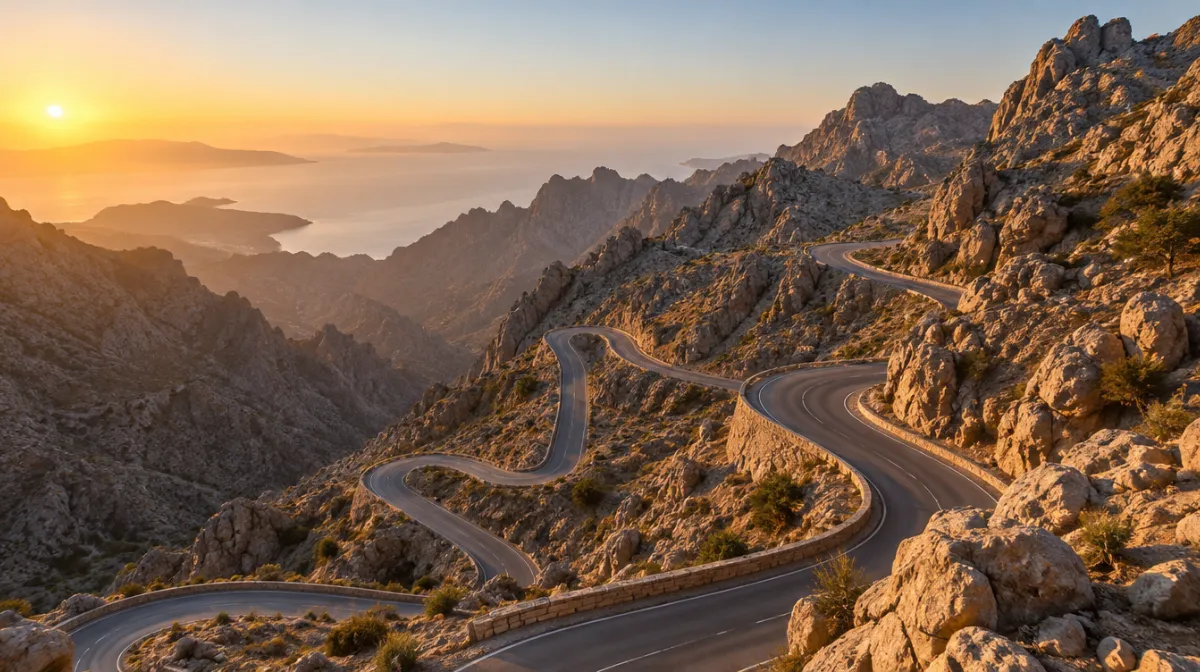
The UAE’s highest mountain rises straight from the coastal plain, and a well-engineered road with sweeping hairpins climbs high into the peaks. The drive is a highlight in itself, with viewing decks along the way that are busiest at sunset.
Age, weight and height limits apply to the ziplines. Book adventure activities in advance, especially for weekends and winter.
Temperatures near the top are usually far lower than on the coast, which makes Jebel Jais a summer escape. In winter it can be genuinely cold, especially at night and in the wind, and temperatures occasionally drop below freezing, so bring a warm layer. Strong winds and storms can close activities and roads; check the National Centre of Meteorology forecast and operator updates before you drive up.
This restored mud-brick fort sits on a hilltop north of the city, looking out over date plantations, the mountains and the sea. A short but steep staircase leads to the top. Go in the late afternoon for the best light, and bring water.
Once a thriving pearling and fishing town, Al Jazirat Al Hamra was left empty when its residents moved away in the second half of the twentieth century. Its coral-stone houses, mosques and fort make it one of the best-preserved traditional coastal towns in the Gulf, with a reputation as a “ghost village”. Walk it early or late in the day, and don’t climb on fragile walls.
At Al Rams, boat trips through the mangroves take you to a working pearl farm, where guides explain how pearl diving shaped the region and how cultured pearls are grown. Tours often end with opening an oyster yourself.
Ras Al Khaimah’s coast has long, uncrowded beaches and plenty of beach and all-inclusive resorts, especially on Al Marjan Island, a group of man-made islands, and around Al Hamra. Prices are often lower than for similar resorts in Dubai. Inland, red dunes and desert camps offer safaris; our guide to choosing a desert safari applies here too.
With more time, continue across the mountains to the Fujairah and the east coast, or compare with Dubai’s own mountain escape, Hatta.
Yes, if you want mountains, adventure activities and quieter beaches. It’s a good contrast to the city and easily combined with a Dubai stay.
Roughly two hours from central Dubai, including the climb up the mountain road, depending on traffic and where you start.
In winter, yes: nights can be close to freezing. In summer it’s pleasantly cooler than the coast, but still sunny, so bring sun protection.

Every article is edited by a human and checked against our editorial policy. Spotted a mistake? Tell us.
Plan a day in Sharjah: the best museums, the restored heritage area, the Blue Souk and Rain Room, Mleiha, local rules on dress and alcohol, and getting there.
Plan a trip to Fujairah and the UAE’s east coast: Snoopy Island snorkelling, Dibba, Al Bidya Mosque, forts, Khor Fakkan, wadis, beaches and getting there.
The best time to visit Dubai and the UAE, month by month: temperatures, crowds, prices, Ramadan, festivals and when the desert season starts.