Sharjah Travel Guide: Museums, Souks and Heritage
Plan a day in Sharjah: the best museums, the restored heritage area, the Blue Souk and Rain Room, Mleiha, local rules on dress and alcohol, and getting there.

Plan a trip to Fujairah and the UAE’s east coast: Snoopy Island snorkelling, Dibba, Al Bidya Mosque, forts, Khor Fakkan, wadis, beaches and getting there.
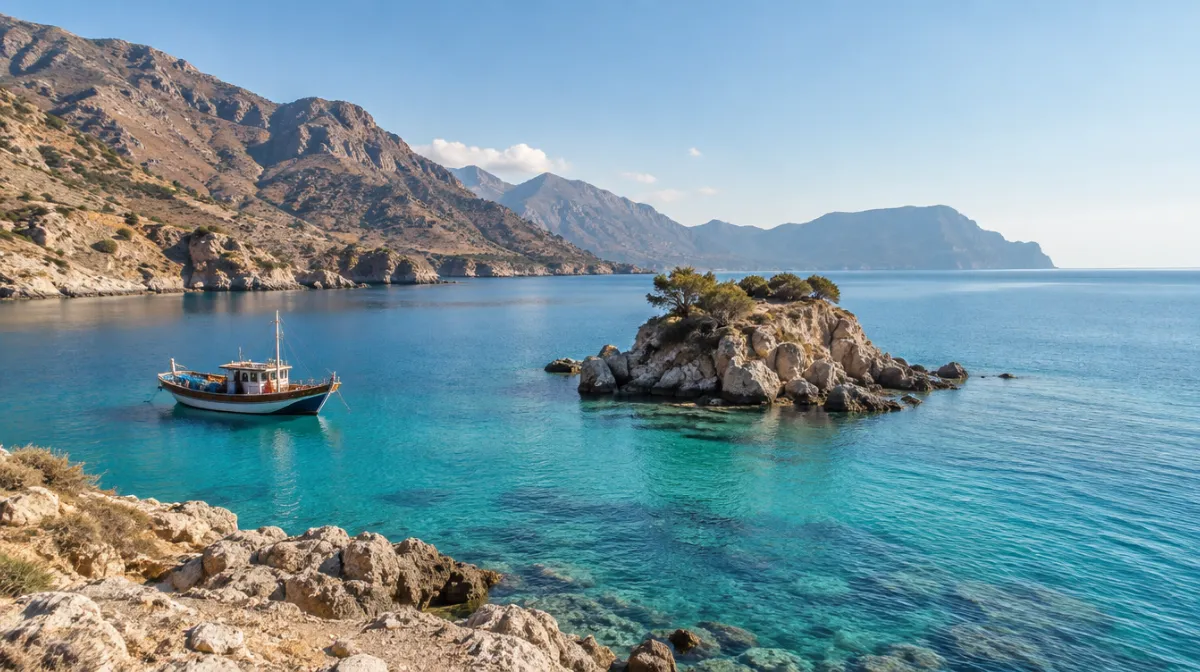
Cross the Hajar Mountains from Dubai and you reach a different UAE: rocky headlands, fishing villages, date farms and clear water on the Gulf of Oman. Fujairah is the only emirate whose coast lies entirely on this side, and together with Sharjah’s east-coast towns of Khor Fakkan and Kalba it offers the country’s best snorkelling, old mosques and forts, and beaches that feel far from the city.
| Topic | Details |
|---|---|
| Best for | Snorkelling, diving, beaches, mountains and heritage |
| From Dubai | About two hours by road |
| Time needed | A long day trip, or one to three nights |
| Best months | October to April |
| Getting around | A car or a tour; public transport is limited |
This small rocky island off Al Aqah beach, named for its resemblance to the cartoon dog asleep on his kennel, is the UAE’s best-known snorkelling spot. Reef fish are plentiful, and turtles are sometimes seen. Hotels and dive centres along the beach rent gear and run trips; ask about currents and stay within marked areas.
The coast from Dibba south has coral reefs, rocky pinnacles and wrecks, with sites such as Dibba Rock and Martini Rock popular with dive schools. Dhow cruises into the fjords of Oman’s Musandam peninsula also leave from the Dibba area, but they involve crossing into Oman, so check the border and visa requirements with your operator.
Often described as the oldest mosque in the UAE still in use, this small stone and mud-brick building with four low domes is thought to date back to the fifteenth century. Dress modestly, remove your shoes if you go inside, and avoid prayer times; women should bring a headscarf.
The centuries-old fort in Fujairah city has been carefully restored, and the heritage area around it shows traditional houses and farming life. From the coast road you’ll also see dozens of tankers anchored offshore: Fujairah is one of the world’s biggest ship-refuelling hubs.
These two towns belong to Sharjah. Khor Fakkan has a sweeping bay, a lively corniche, a large open-air amphitheatre and mountain viewpoints, reached from Sharjah by a scenic road that tunnels through the mountains. Further south, Kalba is known for mangroves, among the oldest in Arabia, where you can kayak and spot wading birds. Sharjah’s rules apply, including no alcohol; see our Sharjah travel guide.
The mountains behind the coast are cut by wadis, rocky valleys that can hold pools after rain. Wadi Wurayah National Park, the UAE’s first protected mountain area, is home to a waterfall and rare wildlife, but access is managed, so check whether visits are open and whether you need to book.
Many wadis are best explored on foot or with a guide. If you plan to drive into one, read JeepSouq’s guide to driving safely in wadis first, and never enter a wadi when rain is forecast: flash floods arrive fast.
On the road from Dubai near Masafi, this roadside market sells carpets, pottery, plants and fruit. Despite the name, it opens every day.
The beach at Al Aqah, near Snoopy Island, has the biggest choice of resorts, while Dibba and Khor Fakkan are quieter. Resorts here are often good value compared with Dubai, and many offer snorkelling and diving packages. Fujairah city has business hotels but is less appealing for a holiday.
October to April is the most comfortable time, with calm seas on many days and warm water for snorkelling. Summer is hot and humid, and occasional storms bring rain to the mountains, which is when wadis become dangerous. Check the National Centre of Meteorology forecast before you set off; our month-by-month guide covers the seasons.
With two or three nights, add a dive around Dibba, a morning in Khor Fakkan and a mangrove kayak in Kalba. You can also combine the east coast with Ras Al Khaimah on a longer road trip.
Yes, if you enjoy snorkelling, quieter beaches and mountain scenery. It’s a long day trip, so an overnight stay makes it more relaxing.
It’s close to shore, but conditions vary. Hire gear through a hotel or dive centre that can advise on currents, or join a guided trip.
It’s more traditional in feel. Beachwear is fine at resorts and beaches, but cover up elsewhere, and remember that Khor Fakkan and Kalba follow Sharjah’s stricter rules.

Every article is edited by a human and checked against our editorial policy. Spotted a mistake? Tell us.
Plan a day in Sharjah: the best museums, the restored heritage area, the Blue Souk and Rain Room, Mleiha, local rules on dress and alcohol, and getting there.
Ras Al Khaimah guide: Jebel Jais and the world’s longest zipline, Dhayah Fort, the ghost village of Al Jazirat Al Hamra, beaches and getting there.
The best time to visit Dubai and the UAE, month by month: temperatures, crowds, prices, Ramadan, festivals and when the desert season starts.