Plan Your Trip

UAE Laws for Tourists: What You Need to Know

The UAE laws that catch tourists out: medication rules, alcohol, drugs, photography and privacy, social media, dress, public behaviour, driving and fines.
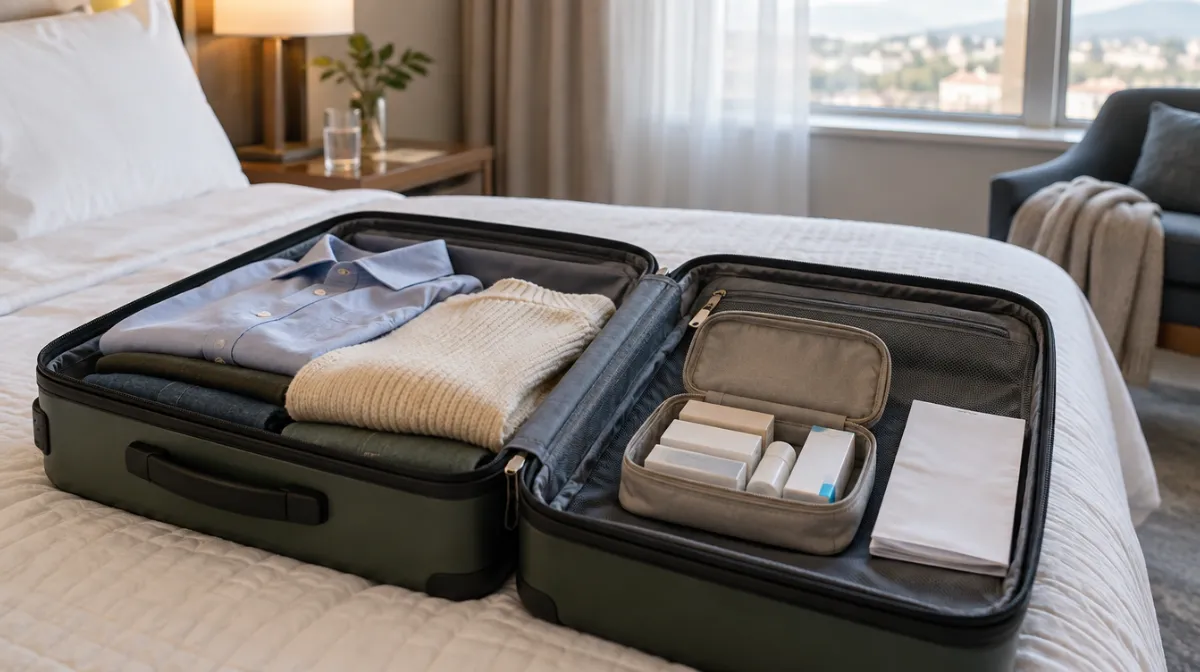
An open suitcase on a hotel bed with neatly folded clothes and a toiletry pouch, ready to be packed
Illustration: UAE Travel Agency / AI-generated.

Key takeaways

  • Check your medication before you travel: controlled medicines need a prescription and, ideally, approval from the Ministry of Health and Prevention.
  • There is zero tolerance for drugs, including CBD products, and for drink-driving; drinking is only allowed in licensed places.
  • Photographing people without permission, rude gestures and offensive posts online can all lead to fines or prosecution.
On this page

The UAE is safe, welcoming and used to millions of visitors, and most tourists never have any trouble. But some laws are stricter than at home, and a few catch people out every year: medication, photos of strangers, rude gestures and what you post online. None of it is hard to follow once you know it.

This guide is general information, not legal advice. Rules change, so check official sources and your government’s travel advice before you go.

Medication

This is the rule most likely to affect ordinary travellers.

  • Carry prescriptions for all prescription medicines, in the original packaging, with quantities matching your stay.
  • Controlled medicines, such as some strong painkillers, sedatives, sleeping pills and some medicines for anxiety or ADHD, are tightly regulated. The Ministry of Health and Prevention (MOHAP) lists them and offers an online permit to import medicines for personal use.
  • Visitors can bring controlled medicines for up to a three-month supply with a prescription and medical report. Getting MOHAP approval before you travel is optional for visitors but strongly recommended; without it, declare the medicines on arrival.
  • Check ingredients, not just brand names: some over-the-counter cold and pain remedies elsewhere contain controlled substances such as codeine.

If in doubt, ask your doctor whether your medicine is controlled, and check the MOHAP list or contact the nearest UAE embassy.

Drugs: zero tolerance

Possession of even tiny amounts of illegal drugs can mean prison and deportation, and traces in your blood or urine can count as possession. CBD oils, gummies and vapes are illegal, even if they’re legal where you live. Never carry bags or parcels for anyone else.

Alcohol

  • Where: adults aged 21 and over can drink in licensed venues, mainly hotels, bars, clubs and many restaurants.
  • Not in public: drinking in the street, on public beaches or in parks, and being drunk in public, are offences.
  • Driving: there is zero tolerance for drink-driving.
  • Sharjah is dry: alcohol isn’t sold or served anywhere in the emirate; see our Sharjah guide.

During Ramadan, rules on public eating and drinking are more relaxed than they once were, but discretion is still expected; our Ramadan travel guide explains what changes.

Photography and privacy

UAE privacy laws are strict.

  • Ask before photographing people, especially women and children. Posting photos or videos of others online without consent can lead to heavy fines.
  • Don’t photograph government buildings, military sites, airport security areas or police activity.
  • Drones need permits; don’t fly one without the right approvals.
  • Accidents and incidents: never film or share images of accidents or victims.

Online behaviour

Laws on cybercrime and defamation apply to visitors. Insulting people, officials, the country or religion online, or sharing false or offensive content, can be prosecuted, and a single message or review can be enough. Using a VPN to access blocked services or to commit an offence can also break the law.

Public behaviour

  • Rude gestures and swearing, including in traffic or messages, are criminal offences, not just bad manners.
  • Public displays of affection: holding hands is generally fine; kissing and intimate behaviour in public are not.
  • Relationships: unmarried couples sharing a hotel room isn’t an offence under current law. Same-sex relationships are illegal, and the FCDO and other governments publish advice for LGBT travellers.
  • Religion: respect places of worship, prayer times and Ramadan customs. Proselytising is illegal.
  • Noise and litter: fines apply for littering, and in Dubai for eating or drinking on the metro.

Dress

Swimwear belongs at beaches and pools. In malls, souks, museums and public streets, cover shoulders and knees; mosques require more. See what to wear in Dubai and our Sheikh Zayed Grand Mosque guide.

Driving and roads

  • Licences: many visitors can drive with their home licence or an International Driving Permit, depending on nationality; check with your rental company.
  • Cameras everywhere: speed and red-light cameras are common, and fines follow you through your rental company.
  • No phones: using a handheld phone while driving is illegal.
  • Jaywalking: cross only at crossings; fines apply.

Visas and overstaying

Leave before your visa or entry permission expires. Overstay fines build up daily and can complicate future visits. Our UAE tourist visa guide explains the options.

If something goes wrong

  • Emergencies: police 999, ambulance 998, fire 997.
  • Arrest or legal trouble: ask to contact your embassy or consulate. Don’t sign documents in a language you don’t understand without a translation.
  • Travel insurance: buy a policy that covers medical care; private treatment is expensive.

Frequently asked questions

Can I bring my prescription medicine to the UAE?

Usually yes, with a prescription and in original packaging. Controlled medicines need extra paperwork: check the MOHAP list, and apply for approval before you travel if yours is on it.

Can tourists drink alcohol in Dubai?

Yes, if you’re 21 or over, in licensed venues such as hotel bars and restaurants. Drinking in public and being drunk in public are offences.

Is it illegal to take photos of people in the UAE?

Photographing or filming people without their consent, and especially sharing the images online, can break privacy laws. Always ask first.

Sources

  1. Ministry of Health and Prevention — Permit to import medicines for personal use
  2. UK Foreign, Commonwealth and Development Office — UAE local laws and customs
  3. UAE Government Portal (u.ae)

Every article is edited by a human and checked against our editorial policy. Spotted a mistake? Tell us.

Keep reading